
UX Case Study: Website Modernization
Building Website Concepts Through Fast-Paced Workshops
LCR MSCP — Elevating User ExperienceIntroduction
In the ever-evolving digital landscape, creating a seamless and user-friendly website is paramount for success. This project underwent a transformative journey, leveraging UX research, user interviews, stakeholder engagement, and a Human-Centered Design approach.
Challenge
The existing website struggled to engage users effectively and lacked a cohesive experience. The goal was to revamp it so it better communicated the program’s mission, engaged stakeholders, and made conservation information easier to discover and understand.
Workshop 1: Research and Discovery
We began with UX research into user behaviors, preferences, and pain points. The work combined quantitative and qualitative methods—including analytics review, heat maps, user interviews, and stakeholder conversations—to clarify the program’s mission, goals, and key messages.
Outcome
- Clear identification of user pain points and areas for improvement.
- Establishment of key goals and messages for stakeholder communication.
UX Methods Used
- Moderated user interviews
- Moderated stakeholder interviews
- Market research
- Brand attributes and mission statements
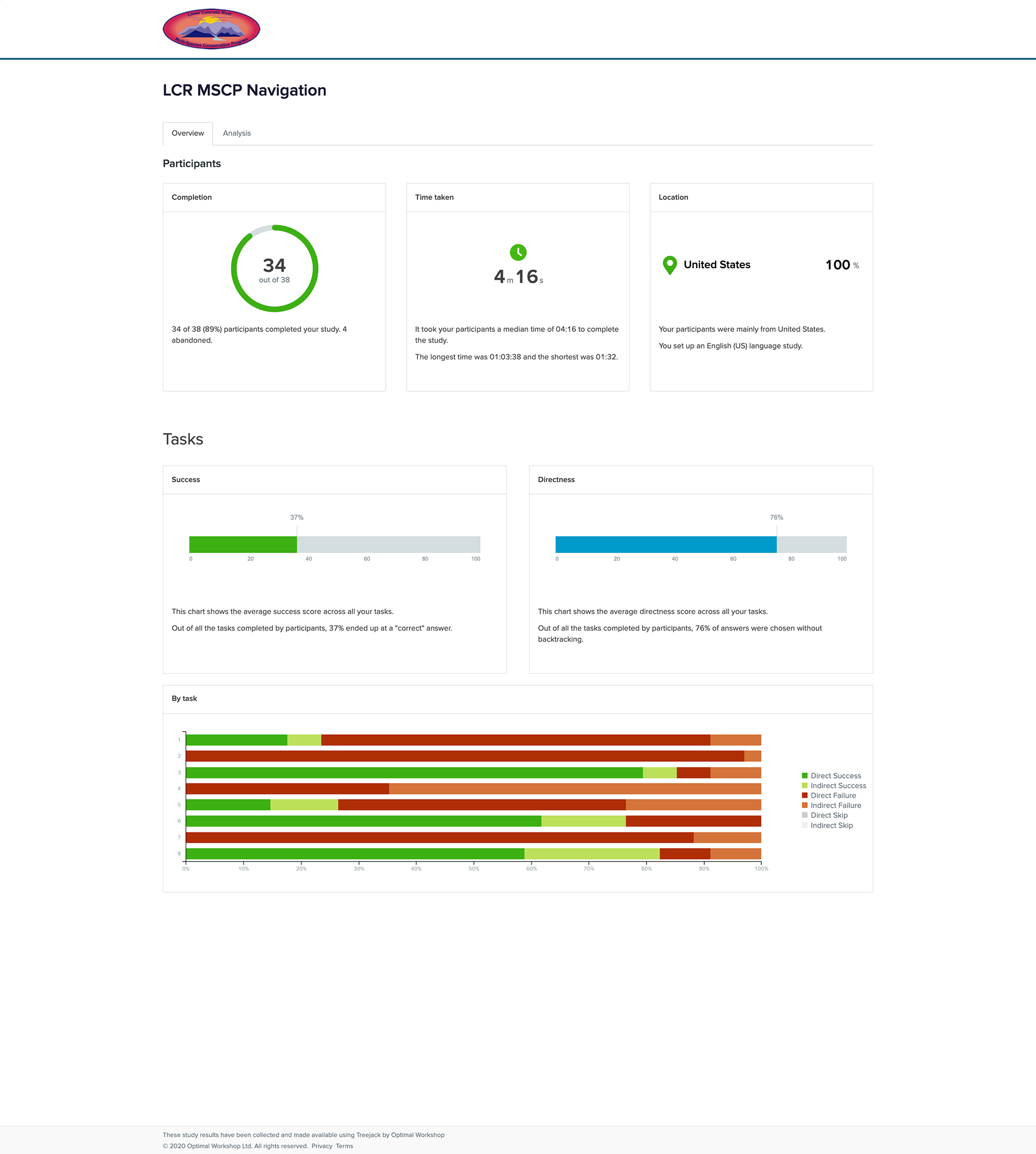
- Tree testing with Optimal Workshop
Information Architecture
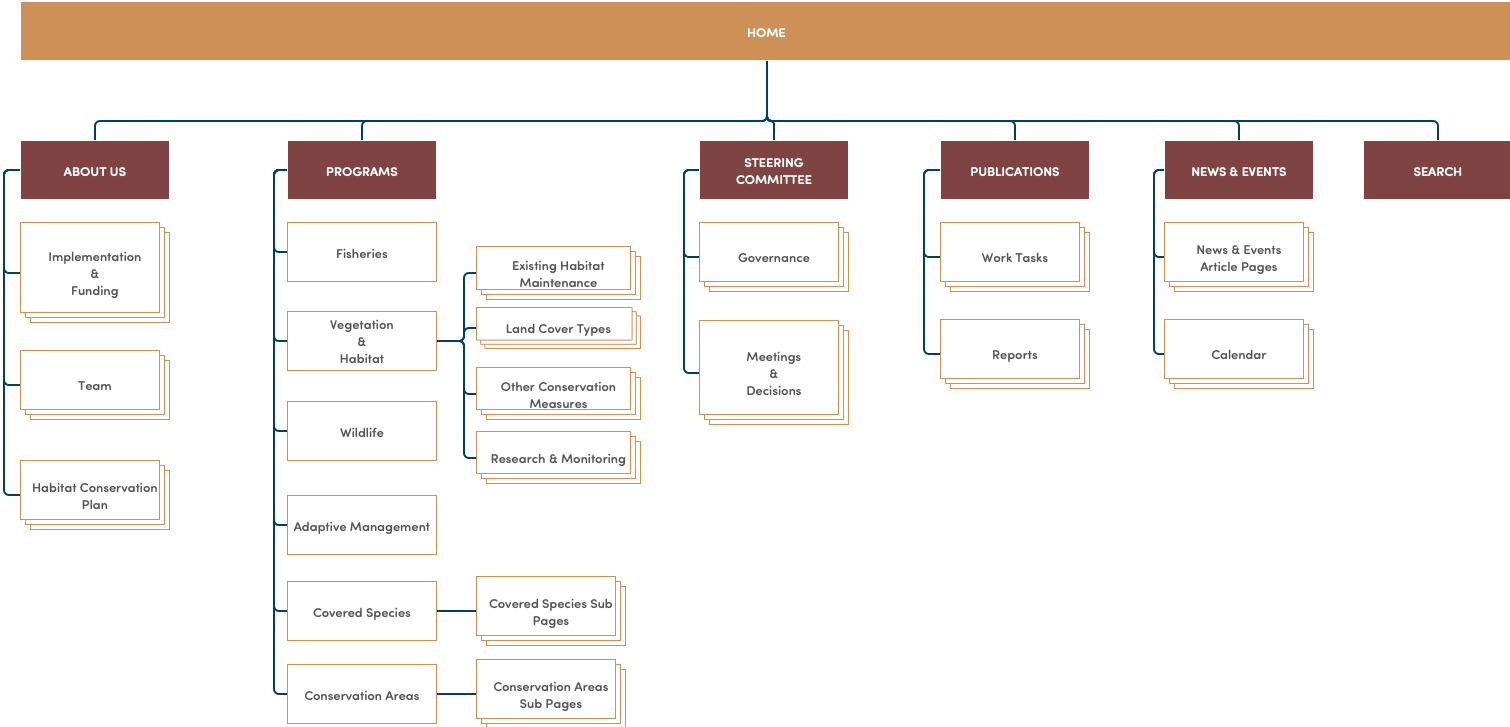
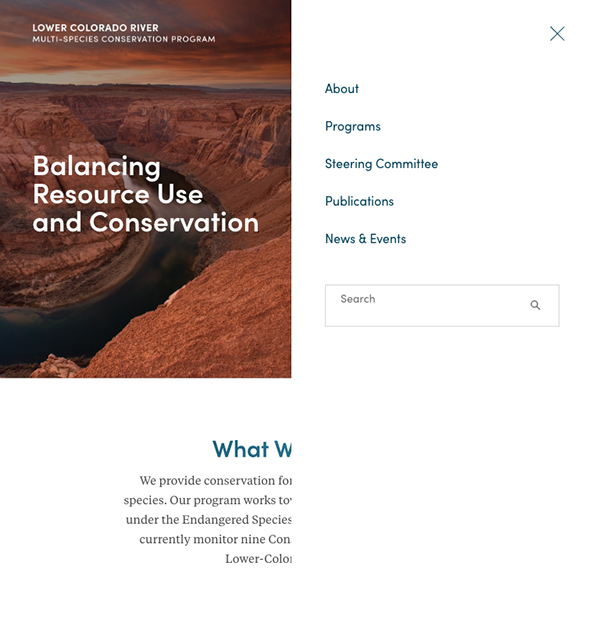
Tree-testing results and stakeholder input informed a revised navigation model. Content was grouped around About Us, Programs, Steering Committee, Publications, News and Events, and Search, with deeper paths for conservation programs, governance, reports, and research.
Workshop 2: User Interviews
We conducted in-depth interviews with a diverse set of users, including existing participants, potential supporters, and people interested in the program’s mission. These conversations revealed expectations, preferences, and the challenges users experienced while navigating the existing site.
Outcome
- User personas created to guide design decisions.
- Features prioritized around user needs and expectations.
Workshop 3: Stakeholder Engagement
Workshops and interviews with key stakeholders aligned the redesign with organizational goals. Collaborative ideation ensured stakeholder perspectives were integrated into the process while keeping the experience grounded in user needs.
Outcome
- Clearly defined goals and mission integrated into the website design.
- Stakeholder buy-in and active participation throughout the project.
Workshop 4: Human-Centered Design Solution
With a shared understanding of user and stakeholder needs, we created wireframes and prototypes through a Human-Centered Design process. Iterative review and testing refined the design into an accessible, responsive experience.
Outcome
- More intuitive navigation and an improved user experience.
- Responsive access across devices.
- Stronger engagement and reduced bounce rates.
Design Solution
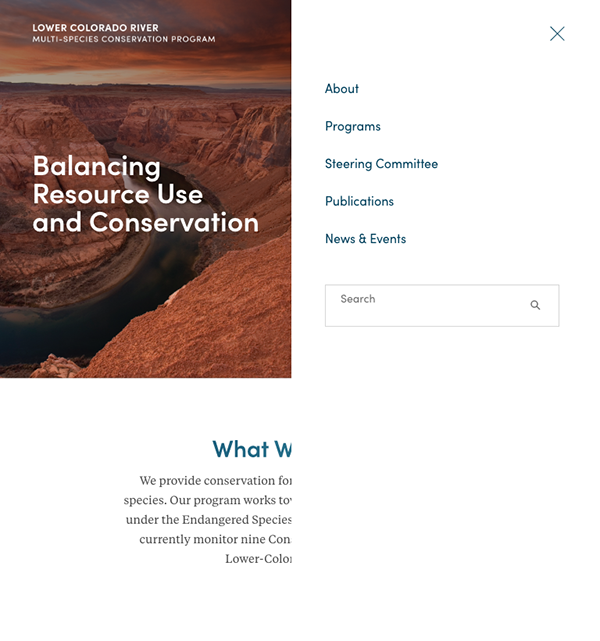
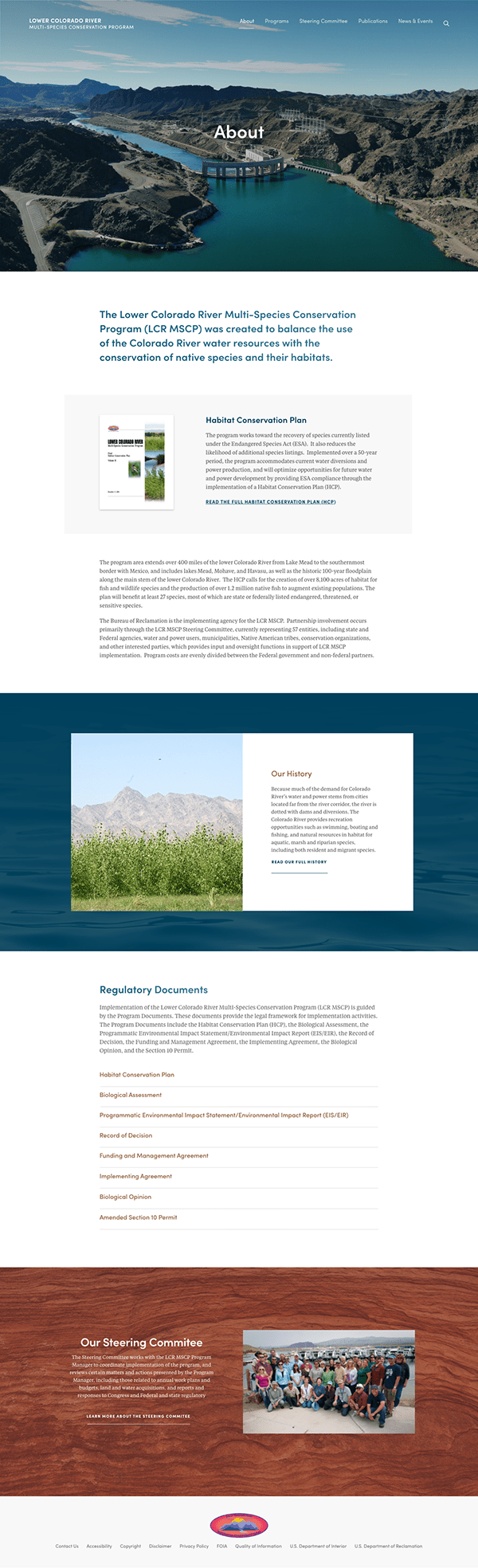
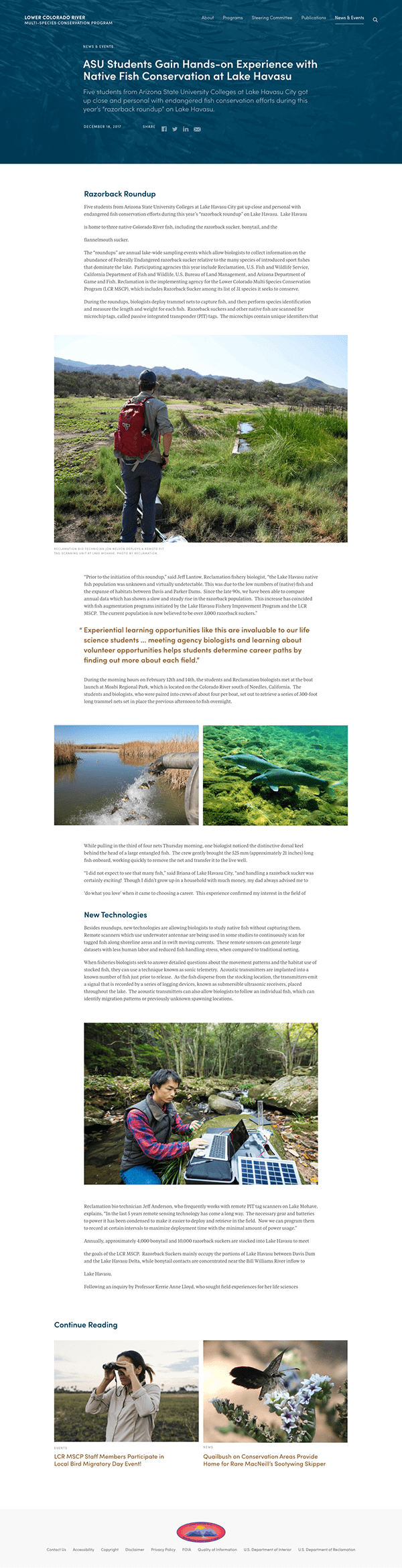
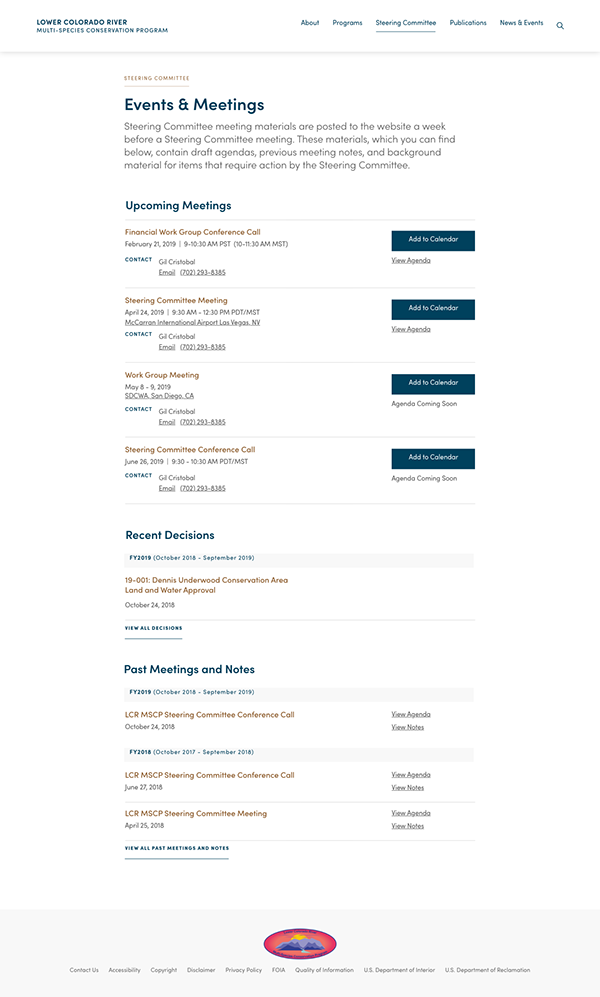
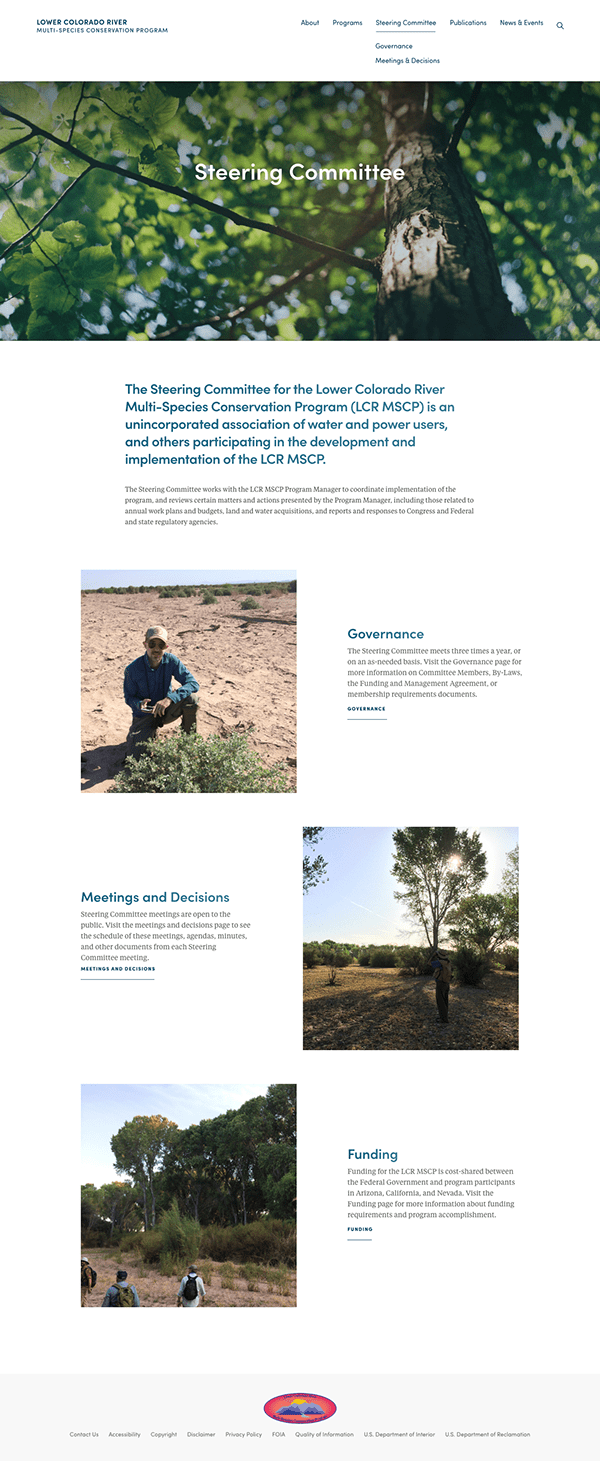
The final concepts introduced a coherent visual language, clear navigation, flexible editorial layouts, and richer storytelling for research, programs, committees, events, and conservation news.

Impact
- A clearer information architecture grounded in research and tree-testing results.
- A consistent visual system supporting complex conservation content.
- Responsive templates for articles, programs, governance, events, and research.
- A collaborative workshop process that aligned user needs with stakeholder goals within an eight-week timeline.